How Much Does a Data Recovery Service Cost? A Complete 2025 Pricing Guide
The sinking feeling of realizing your critical data is gone is often immediately followed by a pressing question: how much does a data recovery service cost? Whether it's a failed hard drive containing family photos or a corrupted SSD with essential business documents, the financial uncertainty can be as stressful as the data loss itself. The answer is rarely a simple figure, as the price is a reflection of the device's complexity and the severity of the failure. This comprehensive guide will demystify data recovery pricing for 2025, providing a transparent breakdown of costs, the key factors that determine your final bill, and actionable advice for navigating the process.
The Core Question: What Determines the Final Bill?
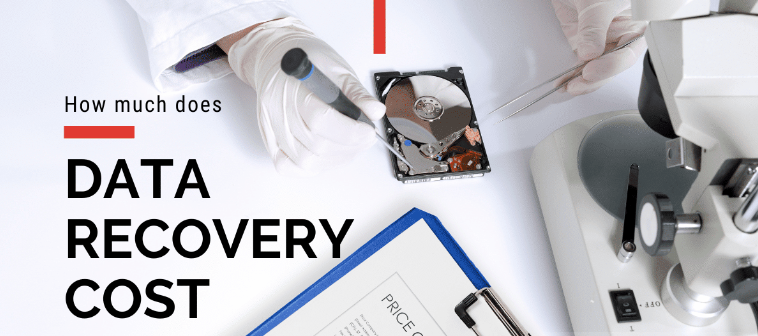
When asking "how much does a data recovery service cost?" it's crucial to understand that providers don't have a one-size-fits-all price list. The final cost is a variable that depends on a complex interplay of factors. The primary determinants are the type of storage device (HDD, SSD, RAID, mobile) and the nature of the failure—whether it's a logical software issue or a physical hardware problem. Understanding this distinction is the first step to understanding the potential cost of a data recovery service.
Data Recovery Service Cost Breakdown by Failure Type
To answer "how much does a data recovery service cost?" with any accuracy, you must first diagnose the problem. The following table outlines the typical price ranges for the most common data loss scenarios, which is the best starting point for estimating your own potential expenses.
| Failure Type & Scenario | Typical Price Range (USD) | Technical Overview & Key Considerations |
|---|---|---|
| Logical Failures (e.g., accidental deletion, formatting, corruption, viruses) | $300 - $1,500 | Recovery uses specialized software; no physical repair is needed. Success is time-sensitive; stop using the device immediately. |
| Physical HDD Failures (e.g., clicking sounds, not detected, water/impact damage) | $700 - $2,500 | Requires repair in an ISO Class 5 Cleanroom; may involve replacing read/write heads or other internal components. |
| SSD & Complex Device Failures (e.g., firmware issues, chip damage, TRIM commands) | $1,000 - $3,000+ | Highly technical work involving specialized hardware tools or "chip-off" recovery, which is labor-intensive and requires expensive equipment. |
| Advanced Storage Systems (e.g., RAID arrays, servers, NAS devices) | $2,000 - $10,000+ | Combines the challenges of multiple drive recovery with the complex task of reconstructing a damaged array's data structure. |
Understanding the Pricing Tiers
1. Logical Failures: The Most Affordable Tier ($300 - $1,500)
When people ask "how much does a data recovery service cost?" for simple software issues, this is the tier they hope for. Logical failures occur when the physical components of the storage device are intact, but the data has become inaccessible due to corruption, accidental deletion, formatting, or a virus.
A professional data recovery service will use advanced software tools in a controlled environment to scan the drive and rebuild the corrupted file system. The price is lower because it doesn't require physical repair or cleanroom work. However, the key to a successful and affordable outcome is to power down the device immediately to prevent new data from overwriting the lost files.
2. Physical Hard Drive Failures: The Mid-Range Tier ($700 - $2,500)
This tier explains why the answer to "how much does a data recovery service cost?" can be significantly higher. Physical failures involve damage to the hardware components of a traditional Hard Disk Drive (HDD). Common symptoms include clicking or grinding noises, a drive that is not detected by the computer, or visible damage from water, drops, or power surges.
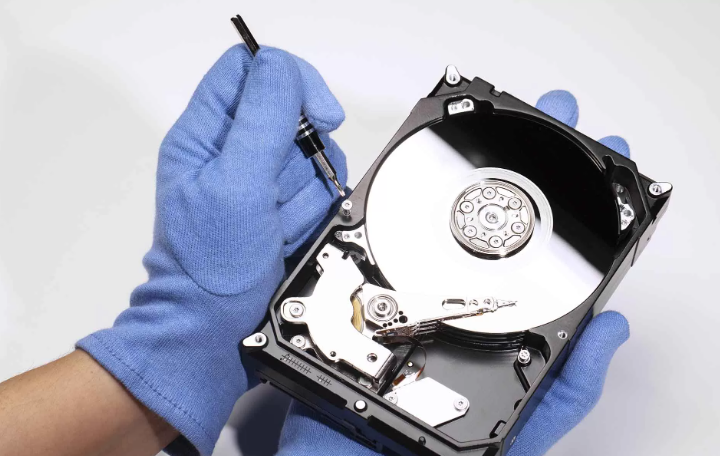
Recovery requires a professional lab with a certified ISO Class 5 Cleanroom. Inside this dust-free environment, engineers can safely open the drive to perform intricate repairs, such as replacing the read/write heads or swapping the internal mechanics onto a donor board. The need for this specialized facility, spare parts, and highly skilled labor places physical HDD recovery in a higher price bracket.
3. SSD & Complex Device Failures: The Premium Tier ($1,000 - $3,000+)
The most definitive answer to "how much does a data recovery service cost?" for modern devices falls into this premium tier. Solid State Drives (SSDs) present unique challenges, primarily due to the TRIM command (which can permanently erase deleted data) and wear-leveling algorithms. Failures often involve the drive's controller or the NAND flash memory chips themselves.
The most extreme technique is chip-off recovery, which involves desoldering the memory chips and reading them directly with specialized hardware. This process is incredibly time-consuming and requires expensive equipment, justifying the high cost. Recovery from complex systems like RAID arrays or encrypted devices also falls into this tier due to the advanced expertise required.
Additional Factors That Influence the Final Cost
Beyond the core failure type, several other variables can affect the final price, providing a more nuanced answer to "how much does a data recovery service cost?"
Service Level: Most companies charge a premium (often 30-100% more) for emergency or expedited service with a 24-48 hour turnaround.
Data Volume: While some companies charge a flat rate, others may have pricing tiers based on the amount of data you need recovered (e.g., costs may increase for recoveries over 1TB).
The "No Data, No Fee" Policy: Reputable firms operate on this model, meaning you only pay if they successfully recover your data. This policy reduces your financial risk but is factored into the overall pricing of successful recoveries.
Professional Service vs. DIY Software: A Critical Choice
When considering how much a data recovery service costs, many wonder if DIY software is a viable, low-cost alternative.
DIY Data Recovery Software ($0 - $100): For confirmed logical failures where the drive is physically healthy, software can be a cheap first step. However, running intensive software scans on a physically failing drive can push it over the edge, causing permanent, irrecoverable data loss.
Professional Data Recovery Services: For any suspected physical or firmware issue, a professional service is the only safe option. You are investing in:
Certified Cleanrooms: Essential for physical repairs.
Proprietary Hardware & Software: Tools the public cannot access.
Expert Engineering: Experience with thousands of failure scenarios.
Guaranteed Privacy & "No Data, No Fee" Security.
How to Choose a Reputable Data Recovery Service
To ensure you get fair value when you ask "how much does a data recovery service cost?" follow these steps:
Seek a Free Evaluation: A trustworthy company will offer a free diagnosis and a firm, no-obligation quote.
Verify Security and Certifications: Ensure they have a cleanroom and robust privacy policies.
Understand the "No Data, No Fee" Policy: Read the terms carefully to know what defines a "successful" recovery.
Avoid Low-Ball Quotes: Extremely low prices can be a red flag for scams or indicate a lack of proper equipment and expertise.
Conclusion: An Investment in Your Digital Assets
So, how much does a data recovery service cost? As we have seen, the final price is a reflection of sophisticated technology and expertise, ranging from a few hundred dollars for logical issues to several thousand for severe physical or complex electronic damage. The cost is directly tied to the complexity of the failure and the resources required to overcome it. When disaster strikes, immediately power down the drive to prevent further damage and seek a professional evaluation from a reputable service. By choosing a provider based on transparency and proven capability—not just the lowest price—you maximize the chance of a successful recovery and get a true, honest answer to the critical question: how much does a data recovery service cost for my specific situation? Ultimately, a robust, multi-location backup strategy remains the most powerful and affordable form of "data insurance" you can have.