Is Secure Data Recovery Legit? A Comprehensive Guide to Trustworthy Services
The panic that follows a hard drive failure or the accidental deletion of critical files is a uniquely modern fear. In these vulnerable moments, finding a solution to recover precious family photos, vital business documents, or years of work becomes a top priority. As you search for help, a crucial question arises: Is secure data recovery legit? The answer is nuanced. While the industry includes both highly professional, legitimate services and risky, unethical operators, knowing how to distinguish between them is the key to a successful and secure recovery. This guide will provide you with the essential knowledge to identify trustworthy providers and understand the security measures that protect your data throughout the recovery process.

The Hallmarks of a Legitimate Data Recovery Service
Genuine data recovery companies distinguish themselves through transparency, professional credentials, and a commitment to security. They understand that you are entrusting them with your most sensitive information, and they build their business models around earning and keeping that trust.
1. Transparency and Professionalism
A legitimate service will operate with complete clarity from your first point of contact.
Clear, Upfront Pricing: They provide a clear, detailed, and often fixed quote after an initial diagnosis, with no hidden fees. Be wary of services that offer a low initial price only to dramatically increase it once they have your device, a tactic highlighted in a 2010 case study where a user was initially quoted $200, only to have the price jump to $3,000 after the recovery was performed.
Detailed Service Agreements: Reputable firms will have you sign a service agreement that outlines the process, costs, timeline, and their privacy policies.
"No Data, No Fee" Policy: This is a standard guarantee among trustworthy providers. It means you only pay if they are successful in recovering your files, aligning their interests with your own.
2. Proven Expertise and Proper Facilities
Data recovery, especially from physically damaged devices, requires a specific skill set and environment.
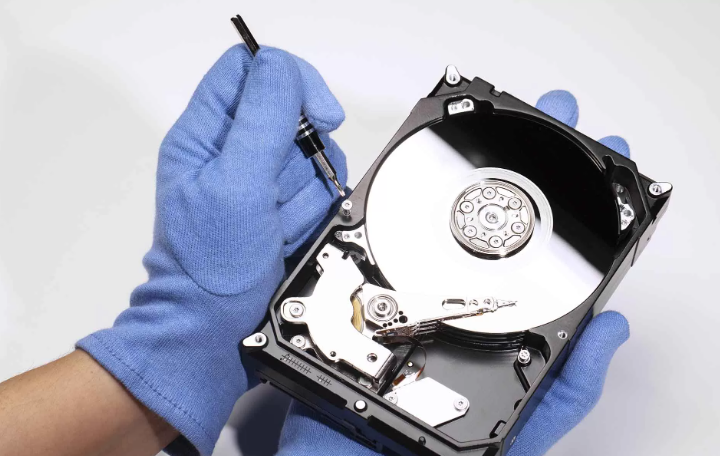
Certified Cleanrooms: For drives with internal physical damage, a Class 100 ISO-certified cleanroom is essential to open the device without contaminating it with dust, which can cause further, irreversible damage.
Technical Certifications: Look for companies that invest in industry-recognized certifications, such as ISO/IEC 27001 for information security management, which demonstrates a systematic approach to protecting client data.
Industry Partnerships: Some top-tier recovery services are officially partnered with major hardware manufacturers like Apple, Dell, and Western Digital, which serves as a strong testament to their technical competence and trustworthiness.
3. Robust Security and Privacy Protections
This is the core of a "secure" data recovery service. Legitimate companies implement stringent security protocols to ensure your data's confidentiality.
Data Encryption: Your data should be encrypted both during transit and while at rest on their servers. Many use 256-bit SSL encryption, one of the most secure methods available for protecting files and information.
Formal Confidentiality Agreements: These legally binding documents obligate the company and its employees to protect your data's privacy, with violations opening them up to significant legal liability.
Secure Chain of Custody: Professional services track your device at every stage of the process, ensuring it is never out of their secure control.
Certified Data Sanitization: After the recovery is complete and you have your files, a legitimate service will securely wipe all copies of your data from their systems, often following standards like NIST 800-88.
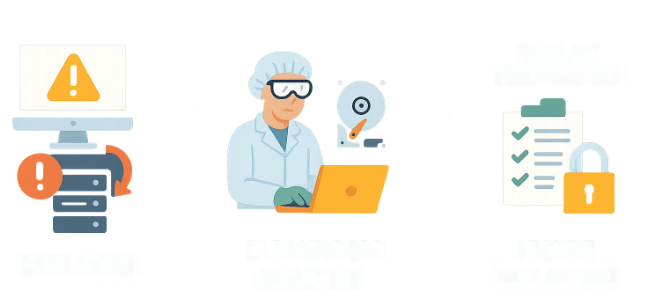
The Risks: How to Spot Illegitimate Services
Unfortunately, the data recovery industry also has its share of bad actors. Understanding their tactics can help you avoid making a stressful situation worse.
Bait-and-Switch Pricing: This is a common tactic where a lowball quote is used to get your business, followed by exorbitant charges once the recovery is complete and the company knows you are desperate to get your data back.
Technical Incompetence and Extortion: In a worst-case scenario, an unethical company may hold your data "hostage," demanding a high price for its return. There have even been reports of some firms paying ransoms to hackers on behalf of clients but then charging the client several times the ransom amount without disclosing their actions.
Lack of Proper Facilities: Attempting physical recovery without a cleanroom can permanently destroy your data. One user learned this the hard way when an initial, incompetent service severely scratched her drive's platters, making the data unrecoverable by the next company she tried.
Privacy Violations: A service with poor security practices or unethical staff could potentially copy, view, or leak your sensitive files.
Comparison: Legitimate vs. Illegitimate Services
| Feature | Legitimate Service | Illegitimate Service |
|---|---|---|
| Pricing & Quotes | Transparent, fixed quotes after diagnosis; "No Data, No Fee" policy | Vague estimates; low initial price with steep increases later |
| Security & Privacy | ISO 27001 certification, confidentiality agreements, data encryption | No clear security policies; reluctance to sign agreements |
| Facilities | Certified Class 10 ISO-4 Cleanrooms for physical recovery | No cleanroom; operates from a basic workshop |
| Data Handling | Secure data sanitization post-recovery | No policy for data deletion after job completion |
| Reputation | Partnered with major tech brands; many positive, verifiable reviews | Anonymous; few or only generic reviews |
A Practical Checklist for Choosing a Legitimate Service
To ensure you select a provider you can trust, use this checklist during your search:
Verify Security Certifications: Look for mentions of ISO 27001 or SOC 2 compliance on their website.
Ask About Cleanrooms: Specifically inquire if they have a Class 100 Cleanroom for physical recoveries.
Request a Detailed Service Agreement: Review the contract for confidentiality clauses, the "No Data, No Fee" guarantee, and data disposal policies.
Check Independent Reviews: Look for feedback on third-party sites like Trustpilot or the Better Business Bureau, paying attention to comments about professionalism, pricing, and success.
Evaluate Their Communication: A professional service will be transparent and willing to answer all your questions about process and security. Evasiveness is a major red flag.
Beyond Recovery: The Critical Role of Proactive Data Protection
While professional recovery services can perform near-miracles, the best data safety strategy is a proactive one. A comprehensive approach combines robust backup systems with sensible computing habits.
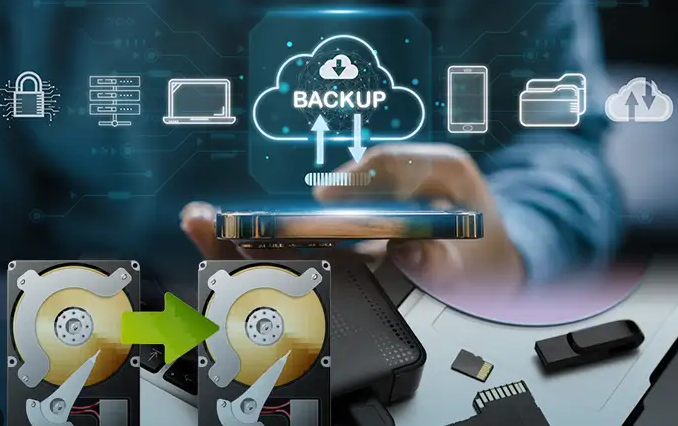
Implement the 3-2-1 Backup Rule: Maintain 3 total copies of your data, on 2 different media types (e.g., an external hard drive and a cloud service), with 1 copy stored off-site.
Use Drive Health Monitoring Tools: Utilities like CrystalDiskInfo can warn you of impending hard drive failure, giving you time to back up data before a complete crash.
Encrypt Sensitive Drives: Using built-in tools like BitLocker (Windows) or FileVault (Mac) on your drives before they fail is the single most effective way to maintain control over your data. Even if a recovery service must handle the device, they cannot access the data without your key.
Conclusion: Trust, but Verify
So, is secure data recovery legit? The answer is a resounding yes—provided you choose a service that demonstrates the hallmarks of legitimacy. The industry includes world-class companies with impeccable credentials, rigorous security protocols, and a proven track record of success. By prioritizing transparency, professional certifications, and robust security measures, you can confidently navigate a data loss crisis.
Your data's security depends on the informed decisions you make when selecting a recovery partner. By using the checklist and insights in this guide, you can separate the trustworthy experts from the risky operators, ensuring your data is in safe hands and giving you the best possible chance of a successful recovery.