How Much Does It Cost for Data Recovery: A Comprehensive Guide
Understanding Data Recovery Costs in 2025
When a photographer’s 2TB external hard drive crashes days before a client deadline, or a hospital’s RAID array fails during peak hours, the first question is inevitably:
Understanding Data Recovery Costs in 2025
When a photographer’s 2TB external hard drive crashes days before a client deadline, or a hospital’s RAID array fails during peak hours, the first question is inevitably: how much does it cost for data recovery? The answer in 2025 spans from $0 (DIY software) to $30,000+ (enterprise-level physical recovery), with pricing determined by a complex interplay of technical factors and service variables. This guide demystifies the cost structure, equipping readers to navigate scenarios from accidental deletions to catastrophic hardware failures.

Core Factors Influencing Data Recovery Pricing
Failure Type: The $300 vs. $30,000 Divide
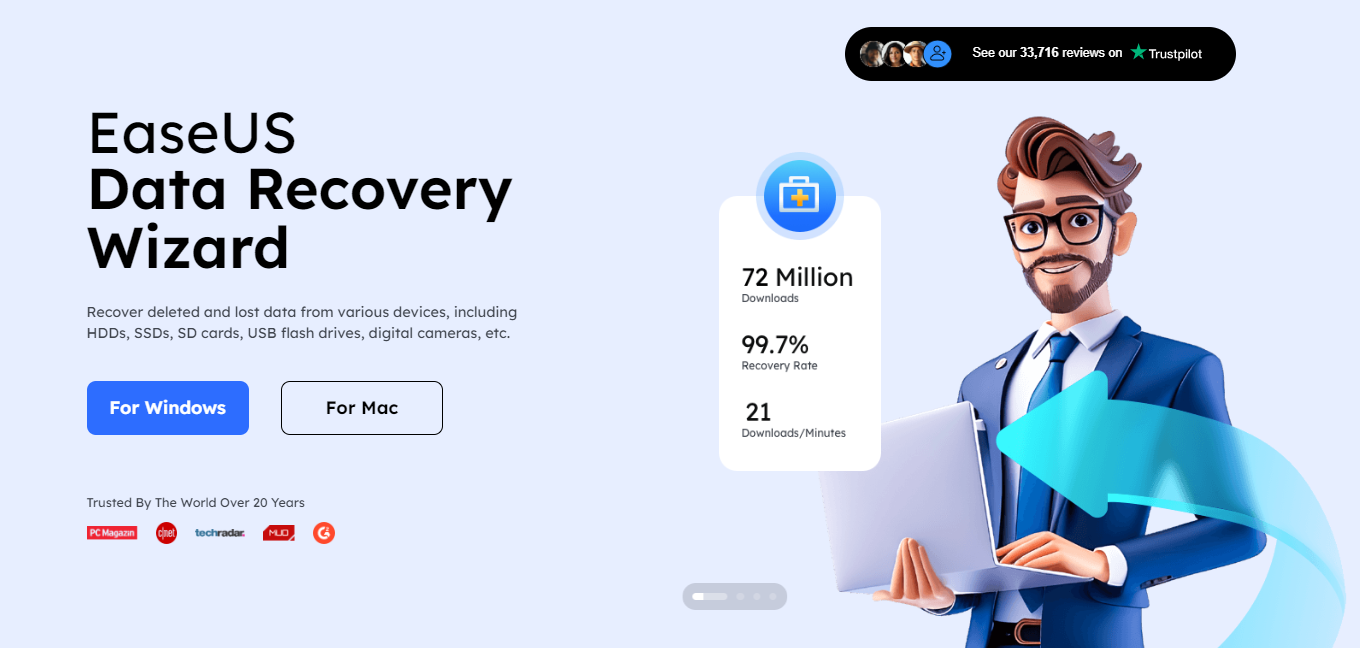
Logical failures—accidental deletion, formatting errors, or file corruption—represent the most common and affordable recovery scenarios. These software-level issues typically cost $300–$1,500, with DIY tools like Recuva ($0–$50) or EaseUS Data Recovery Wizard ($69.95–$149.95) offering viable solutions for non-technical users. For example, a student recovering 50GB of误删论文 files might pay $199 for software that retrieves 95% of data within hours.
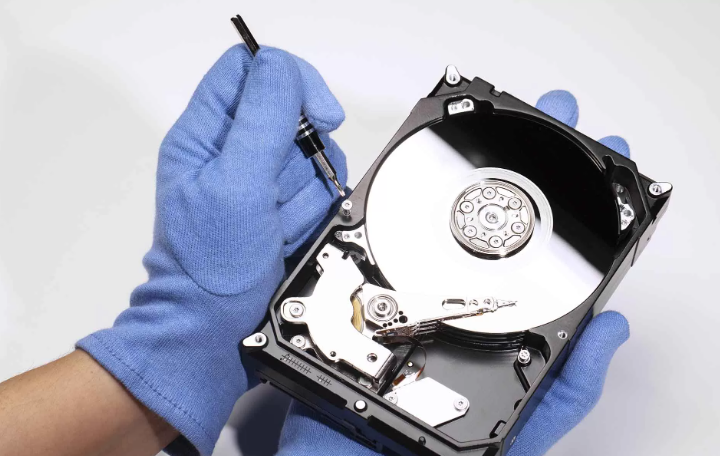
Physical failures, however, involve hardware damage like seized motors or scratched platters, requiring Class 100 cleanrooms and specialized tools. A 2025 case study from Secure Data Recovery shows a water-damaged 8TB HDD required $6,800 for component replacement and platter cleaning, while a enterprise RAID array with multiple failed drives reached $24,800 due to 72-hour emergency labor and array reconstruction.
Storage Media: HDD vs. SSD Cost Dynamics
Traditional mechanical hard drives (HDDs) benefit from mature recovery techniques, with logical failures averaging $500–$2,000 and physical issues ranging $2,000–$10,000. Their spinning platters retain data traces longer, offering 85%+ success rates for recent deletions.
Solid-state drives (SSDs) present unique challenges due to TRIM commands that permanently erase deleted data. A 512GB SSD with controller failure costs $1,500–$6,000 to recover, with success rates dropping below 40% if TRIM has activated. Enterprise NVMe drives with encrypted NAND chips can exceed $15,000, as seen in a 2025 financial services case requiring chip-off extraction.
Service Variables: Urgency, Location, and Expertise
Rush services add 30–100% to base costs. A hospital’s HIS system failure might incur $12,000 for 24-hour turnaround versus $8,000 for standard 5-day service. Geographic disparities also play a role: New York labs charge 15–20% more than midwestern U.S. providers, while European Union rates (€300–€25,000) often exceed U.S. prices due to stricter data privacy compliance costs.
Price Breakdown by Scenario (2025 Data)
Recovery Type | Price Range | Success Rate | Typical Turnaround |
|---|---|---|---|
误删文件 (HDD) | $300–$800 | 90%+ | 1–3 days |
格式化恢复 (SSD) | $800–$2,500 | 60–75% | 3–7 days |
硬盘异响/物理损坏 | $2,000–$10,000 | 50–70% | 5–14 days |
RAID 5/6 阵列恢复 (8盘) | $5,000–$30,000 | 60–80% | 7–21 days |
SSD 芯片级数据提取 | $3,000–$15,000 | <40% | 10–14 days |
Regional Cost Variations
In the United States, urban centers like San Francisco and New York command premium pricing: a 2TB HDD physical recovery averages $3,500–$8,000, while rural services offer 15–25% discounts. European providers like Data Clinic (UK) start at £245 ($300) for basic HDD recovery but add GDPR compliance fees (€150) for medical or financial data. Asian markets like Singapore balance affordability with technical expertise, with logical recoveries at SGD 400–1,200 (~$300–$900) and enterprise services reaching SGD 30,000+.
E-E-A-T Compliance: Ensuring Trustworthy Services
Google’s E-E-A-T framework (Experience, Expertise, Authoritativeness, Trustworthiness) is critical for evaluating providers:
Experience: Look for labs with ISO 9001 certification and 10+ years of operation. Ontrack, founded in 1985, showcases this through 90%+ success rates across 300,000+ cases.
Expertise: Technicians should hold certifications like IACRB’s Certified Data Recovery Specialist (CDRS).
Authoritativeness: Industry recognition matters—DriveSavers’ work with NASA and major studios validates their $700–$3,000+ pricing structure.
Trustworthiness: Transparent “no data, no fee” policies and secure chain-of-custody protocols (e.g., HIPAA compliance for healthcare data) are non-negotiable.
Prevention: The Ultimate Cost-Saving Strategy
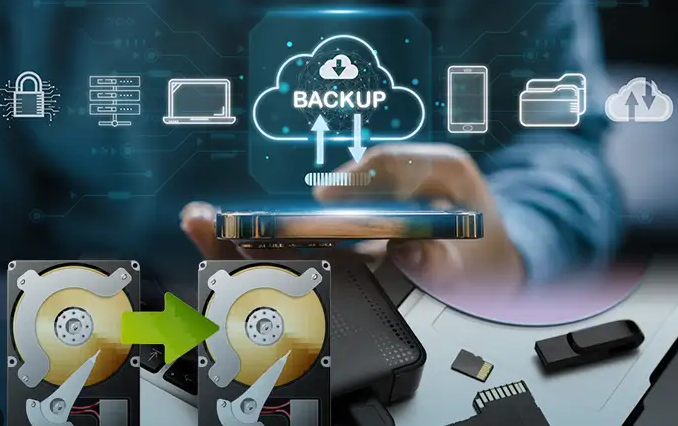
The most effective way to manage recovery costs is avoidance through robust backup systems:
3-2-1 Backup Rule: 3 copies of data (1 primary, 2 backups) on 2 media types with 1 offsite. A small business implementing this saves $12,000+ annually compared to recovery expenses.
Cloud Solutions: Google Drive ($1.99–$149.99/month) or AWS S3 ($0.023/GB/month) offer automated redundancy at fractions of recovery costs.
Proactive Monitoring: Tools like CrystalDiskInfo alert users to failing drives before data loss occurs, preventing $2,000+ emergency recoveries.
Conclusion: Navigating Data Recovery Investments
Understanding how much does it cost for data recovery requires balancing technical complexity against data value. For irreplaceable family photos or critical business data, professional services often justify the expense. By combining preventive measures with informed provider selection—prioritizing certifications, transparent pricing, and security protocols—individuals and organizations can mitigate both financial and operational risks in an increasingly data-dependent world. Remember: the $199 annual cloud subscription today prevents the $10,000 recovery bill tomorrow.