Are Data Recovery Services Safe? A Complete Guide to Security and Success
In our increasingly digital world, data represents some of our most valuable assets—from precious family photos to critical business documents. The moment of realizing that important files have vanished is often filled with panic. In these situations, data recovery services promise a lifeline, but a crucial question emerges: are data recovery services safe to trust with your sensitive information? The answer is more complex than a simple yes or no. While reputable services operate with high security standards and impressive success rates, the industry also has its share of bad actors who may compromise your data's confidentiality or integrity. This comprehensive guide will explore the safety landscape of data recovery, providing you with the essential knowledge to make informed decisions when your data is on the line.
Understanding Data Recovery Services
Data recovery is the specialized process of retrieving inaccessible, lost, corrupted, damaged, or formatted data from storage devices when standard access methods fail. This can apply to various media including hard disk drives (HDDs), solid-state drives (SSDs), USB flash drives, RAID arrays, and other digital storage systems. Services range from simple software-based solutions for accidental deletions to complex laboratory procedures for physically damaged devices.
The critical nature of this service has led to increased standardization in many markets. For instance, in October 2024, Chinese authorities released GB/T 31500-2024, the "Cybersecurity Technology - Storage Media Data Recovery Service Security Specification," which establishes clear security principles, management requirements, and implementation guidelines for data recovery services dealing with non-state secret information. This standard, which took effect in May 2025, provides a framework for evaluating service providers and represents a significant step toward industry-wide accountability.
Professional data recovery services employ specialized tools and techniques that differ significantly from consumer-grade software solutions. These may include:
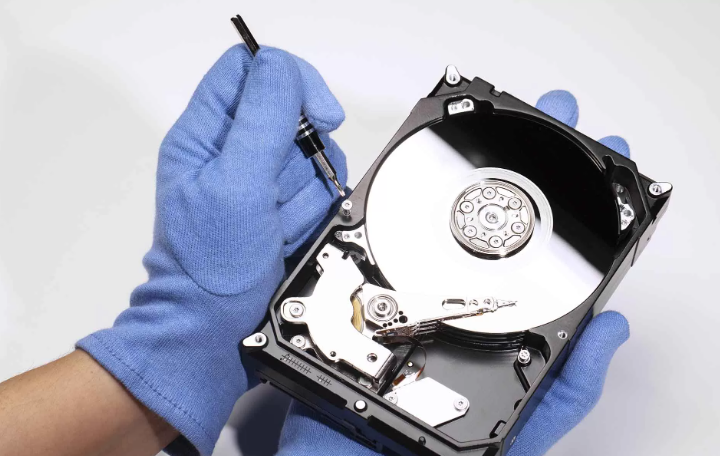
Cleanroom environments for handling physically damaged devices
Advanced imaging technology to create sector-by-sector copies of failing drives
Proprietary software tools capable of reconstructing damaged file structures
Custom hardware solutions for interfacing with unique or proprietary storage systems
Understanding what data recovery entails is the first step in evaluating whether these services can safely handle your valuable information.

Potential Security Risks in Data Recovery
While many data recovery providers operate ethically, several significant risks warrant careful consideration before selecting a service. Understanding these potential vulnerabilities helps you make informed choices to protect your sensitive information.
Privacy and Confidentiality Breaches
The most immediate concern for most consumers and businesses is data confidentiality. When you submit a device for recovery, you're granting strangers access to potentially sensitive information—financial records, personal photographs, business plans, or client databases. Without proper safeguards, this information could be copied, shared, or sold. According to warnings from China's Ministry of State Security, data retrieved from improperly handled storage devices can become an "information source for those with ulterior motives". This risk is particularly acute with devices that haven't undergone proper data sanitization procedures.
Unethical Practices and Exploitation
The data recovery industry includes providers of varying ethics and professionalism. Some concerning practices include:
Use of cracked or pirated recovery software that may contain malware or produce unreliable results
Lack of transparency about recovery chances and pricing models
Exaggerated claims of success rates or capabilities
Holding data hostage until exorbitant fees are paid
These practices are particularly prevalent in the unofficial or "cracked" software market, where users might turn to avoid legitimate costs. One industry article notes that "using pirated software may carry viruses, leading to data encryption or secondary damage" , potentially worsening an already difficult situation.
Technical Incompetence and Data Loss
Not all data recovery providers possess equal technical capabilities. Inexperienced technicians or improperly equipped facilities can inadvertently cause irreversible data loss through:
Improper handling of physically damaged devices outside required cleanroom environments
Failed recovery attempts that overwrite original data
Misdiagnosis of the underlying issue leading to incorrect treatment approaches
The success rates for data recovery vary significantly based on the type of loss scenario. The table below illustrates typical recovery success rates for common data loss situations:
| Data Loss Scenario | Typical Recovery Success Rate | Primary Factors Affecting Success |
|---|---|---|
| Accidental Deletion | 70-90% | Time since deletion, subsequent usage of storage device |
| Formatting | ~70% | Quick vs. full format, data overwriting |
| Logical Corruption | 70-90% | Extent of corruption, file system type |
| Physical Damage | 10-90% | Severity of damage, device type, component availability |
| Natural Disasters | Nearly 0% | Type and extent of physical destruction |
How to Evaluate a Data Recovery Service's Safety
Choosing a data recovery provider requires careful vetting to ensure both the safety of your data and the highest chance of successful recovery. Here are key factors to consider when evaluating potential services.
Security Protocols and Certifications
Reputable data recovery services implement robust security frameworks to protect client data throughout the recovery process. Look for providers that:
Adhere to established standards like China's GB/T 31500-2024 for data recovery service security
Offer clear privacy policies with legal guarantees of confidentiality
Provide secure chain-of-custody documentation for tracking your device at all stages
Implement encryption protocols for both data storage and transmission
Follow secure data sanitization practices after recovery completion, such as those meeting the DoD 5220.22-M standard
These formal safeguards demonstrate a provider's commitment to security beyond basic operational requirements.
Facility Standards and Technical Capabilities
The physical and technical environment of a data recovery lab directly impacts both safety and success rates. Important considerations include:
Certified cleanroom facilities for handling physically damaged drives (Class 100 or better)
Advanced recovery equipment and proprietary toolsets
Qualified technicians with verifiable experience and training
Structured evaluation processes that provide detailed assessments before treatment
As highlighted in one industry guide, for physically damaged devices, "the only correct operation is to hand it over to a professional institution with a cleanroom laboratory" -7. Attempting physical recoveries without proper facilities virtually guarantees permanent data loss.
Transparency and Professional Reputation
Trustworthy data recovery services operate with transparency throughout the process. Indicators of a reputable provider include:
Clear communication about recovery likelihood, processes, and costs
No-obligation evaluations with detailed explanations of found issues
"No data, no fee" policies that only charge for successful outcomes
Professional certifications from industry organizations or manufacturers
Verifiable customer testimonials and case studies
Physical business locations rather than purely anonymous online services
Be wary of services that make guarantees before examining your device or that are vague about their methods and security practices.
A Safety Checklist for Choosing Data Recovery Services
To simplify your decision-making process, use this practical checklist when selecting a data recovery provider:
Verify security certifications and compliance with relevant standards
Request details about data handling and privacy protection procedures
Ask about facility capabilities including cleanroom classifications
Obtain a clear cost estimate with no hidden fees
Review service agreements carefully before proceeding
Check independent reviews and business credentials
Confirm technical expertise with your specific device type and issue
Ensure secure return of all media whether recovery is successful or not
Following this checklist significantly reduces your risk and increases the likelihood of a positive outcome.
Beyond Recovery: The Critical Importance of Data Protection
While professional recovery services can work miracles, a comprehensive data safety strategy must emphasize prevention and preparedness. The most effective approach to data safety multilayered, combining robust backup systems with sensible computing practices.
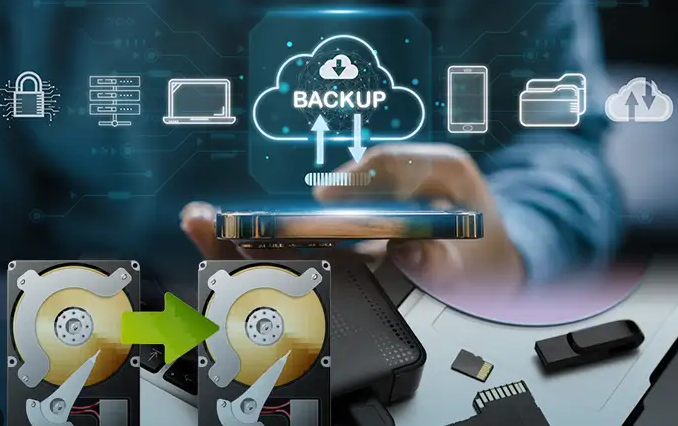
Implement the 3-2-1 Backup Rule
The 3-2-1 backup strategy is widely recommended by data protection experts:
3 total copies of your data
2 different storage media types (e.g., external drive + cloud service)
1 offsite copy (separate from your primary location)
This approach ensures that even if one storage system fails completely, your data remains accessible through alternative channels.
Practice Secure Data Habits
Preventing data loss is significantly easier than recovering from it. Develop these essential habits:
Regularly back up important files before problems occur
Use proper shutdown procedures to avoid file system corruption
Install reputable antivirus and anti-malware protection
Monitor storage health with tools like CrystalDiskInfo
Handle storage devices carefully to prevent physical damage
Enable delete confirmation dialogues to reduce accidental file removal
Pre-Device Disposal Security Measures
Before selling, donating, or discarding old devices, take proper precautions. Simply performing a factory reset may not fully erase your data, as "regular deletion only marks the information data as 'coverable,' leaving the data still in the storage chip" . Instead:
Use professional data wiping tools that meet recognized sanitization standards
Encrypt sensitive data before storage to render it unrecoverable without keys
For highly sensitive information, consider physical destruction of storage media
Remove SIM and SD cards from mobile devices before disposal
These practices ensure your private information doesn't resurface after device ownership changes.
Conclusion: Are Data Recovery Services Safe?
The question "are data recovery services safe" doesn't have a universal answer—safety depends entirely on the specific provider you choose and their security practices. Reputable services that adhere to industry standards, maintain proper facilities, and operate with transparency can indeed provide safe and effective data recovery options. These professionals implement robust security measures that often exceed what typical users can provide themselves.
When confronted with data loss, avoid desperate measures that might worsen the situation. Instead, methodically vet potential services against the criteria outlined in this guide. Remember that the ultimate data safety strategy combines preventative measures like regular backups with the knowledge to select trustworthy professional help when needed. Your data's security depends both on the precautions you take today and the informed decisions you make when recovery becomes necessary.
By understanding both the potential risks and professional safeguards within the data recovery industry, you can confidently navigate these challenging situations, maximizing your chances of successful data retrieval while minimizing security compromises.